
Energy in New Zealand 2026
Comprehensive information on and analysis of New Zealand’s energy supply, demand and prices.
On this page I tēnei whārangi
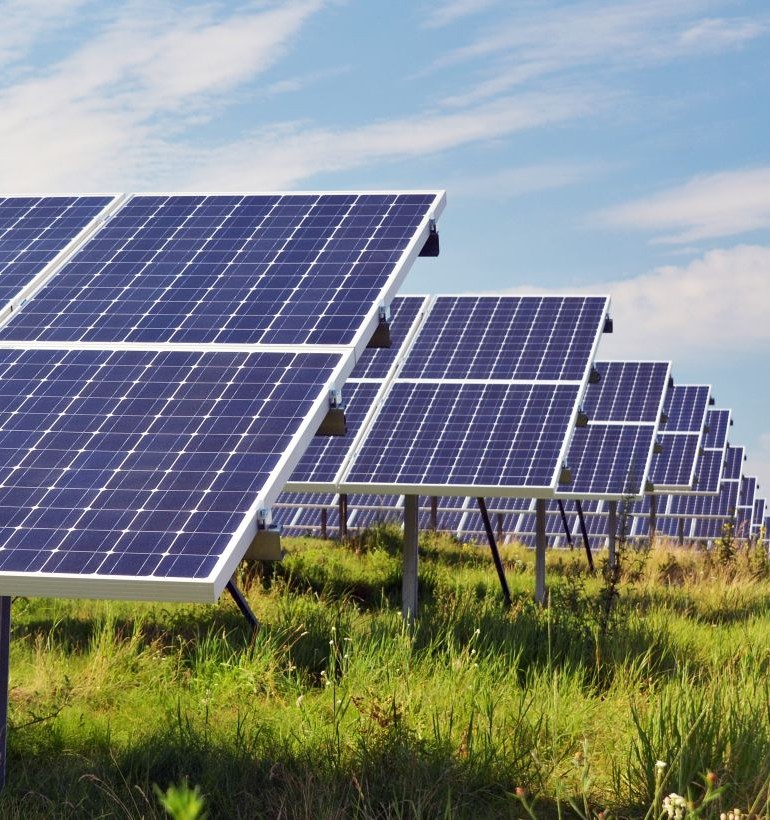
This is the web version of the Energy in New Zealand 2026 report.
Download the PDF:
Quick facts for 2025
- Renewable sources made up over 47% of total primary energy supply, a record high.
- Total electricity generation capacity from renewables reached 9,098 MW in 2025.
- 32% of our total final consumption came from modern renewables, another record high.
- Coal stockpile at Huntly over 1 million tonnes, highest since 2012.
- Record high geothermal and solar production contributed to renewables making up over 88% of electricity generation.
- Diesel consumption was enough to fill 1540 Olympic-size swimming pools.
- Natural gas supply fell to 103 PJ, lowest on record.
- New Zealand’s annual primary energy supply would supply the U.S for three days.
In this section I tēnei wāhanga
Overview
Renewable generation reached its highest share in electricity generation since 1981, while total energy consumption fell to its lowest level since 2011 mainly due to lower industrial demand. Energy intensity hit a record low due to reduced use in the industrial and agricultural sectors.
Electricity
New Zealand’s electricity is mostly generated through renewable sources such as hydro and geothermal energy. Our renewable generation is supplemented by thermal ‘peaker’ plants when demand is high or during dry periods when hydro stores are low.
Renewables
New Zealand’s renewable energy supply reached a record high in 2025, driven by strong growth in geothermal and solar energy. Combined with decreases in non-renewable energy supply, the share of renewable sources in both total primary energy supply and electricity generated rose to new highs.
Coal
Production and exports increased following disruption to transport routes in 2025. Imports also increased as Genesis Energy continued to build its stockpile at the Huntly Power Station.
Gas
Natural gas production continued to decline in 2025, with major gas users responding. Expected production over the coming years indicates supply constraints will continue to impact gas use within New Zealand.
Oil
While domestic production of oil and LPG continues to decrease, the volume of oil consumed in New Zealand in 2025 stayed relatively steady. Despite geopolitical events in the Middle East, prices remained stable over the course of the year.
Balance tables
New Zealand’s energy production comes from both renewable and non-renewable sources. The energy balance tables are an international accounting framework, used to show how energy supply and demand by sector varies by energy type.
Glossary
A list of terms and abbreviations used in Energy in New Zealand 2026, including definitions.