
March 2026 summary
On this page I tēnei whārangi
This is the web version of the New Zealand Energy Quarterly March 2026 summary.
Download the PDF and word versions:
Renewables continue strong run in electricity generation
The March 2026 quarter was characterised by strong renewable electricity generation, alongside emerging disruption in global oil markets.
Electricity generation increased 1.9% (193 GWh) from the March 2025 quarter to 10,335 GWh, with renewables accounting for 94.5% of total generation. Renewable output rose 15.8%(1,332 GWh), driven by higher hydro, wind, and solar generation. Hydro generation increased 19.6% (969 GWh) due to above-average inflows and high storage levels, while wind generation rose 20.1% (147 GWh). Solar generation reached a record 373 GWh (up 50.2%) as new capacity came online. In contrast, thermal generation fell substantially, with gas-fired generation down 67.4% and coal-fired generation down 65.6%, reflecting strong renewable supply and planned outages at Huntly Power Station.
Energy-related emissions increased slightly from the December quarter but remained relatively low at around 420 kt CO₂-e, the fourth-lowest level on record, reflecting reduced fossil fuel use in electricity generation. Electricity consumption increased 2.2% (202 GWh) to 9,517 GWh, with higher demand across industrial (up 4.8%), commercial (up 3.6%), and residential (up 2.2%) sectors. Consumption in the agriculture, forestry and fishing sector fell 11.1%, partially offsetting overall growth.
Gas production declined, with net production down 16%, reflecting outages at major fields. Gas use fell 24%, driven by a 68% reduction in gas use for electricity generation due to strong renewable output. Industrial gas use also declined across most sectors, although use in the chemical sector increased. Gas storage levels rose over the quarter, with the Ahuroa facility near full capacity.
Despite the closure of the Strait of Hormuz in early March due to the conflict in the Middle East, there was no material change in fuel imports in the quarter as fuel importers generally secure shipments several months in advance. Imports of refined oil products increased 2.9% from the previous March quarter, with higher jet fuel imports offsetting lower petrol and diesel imports. Domestic oil consumption rose 2.0%, driven by higher sales of diesel for transport use (up 3.6%).
With the coal stockpile at the Huntly Power Station sitting at over 1 million tonnes since September 2025, coal imports fell 24%. At the same time, coal production decreased 3% and exports fell 21%.
Energy prices increased across most fuels. Petrol prices rose slightly, while diesel prices increased more strongly. Global oil prices rose due to supply and shipping disruptions from the Middle East conflict. Natural gas prices increased across all sectors (up 17-21%), driven by increases in the cost of gas and higher pipeline charges introduced last October. The average electricity cost faced by households shows a 11.7% increase on the March 2025 quarter, driven primarily by increased network (lines) charges to support infrastructure investment.
Quarterly summary charts
Proportion of electricity from renewable sources
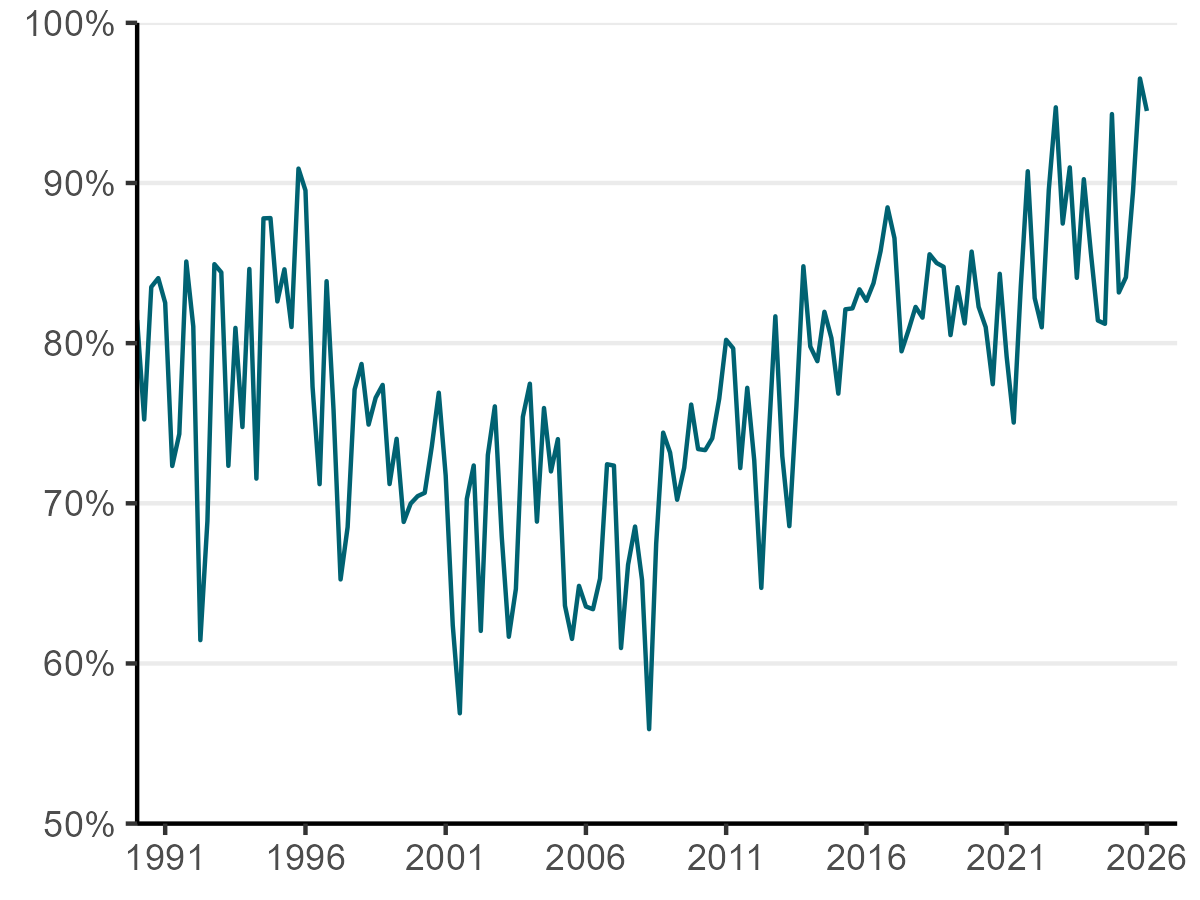
Text description of chart - Proportion of electricity from renewable - March 2026
Electricity from solar, wind, coal, and gas
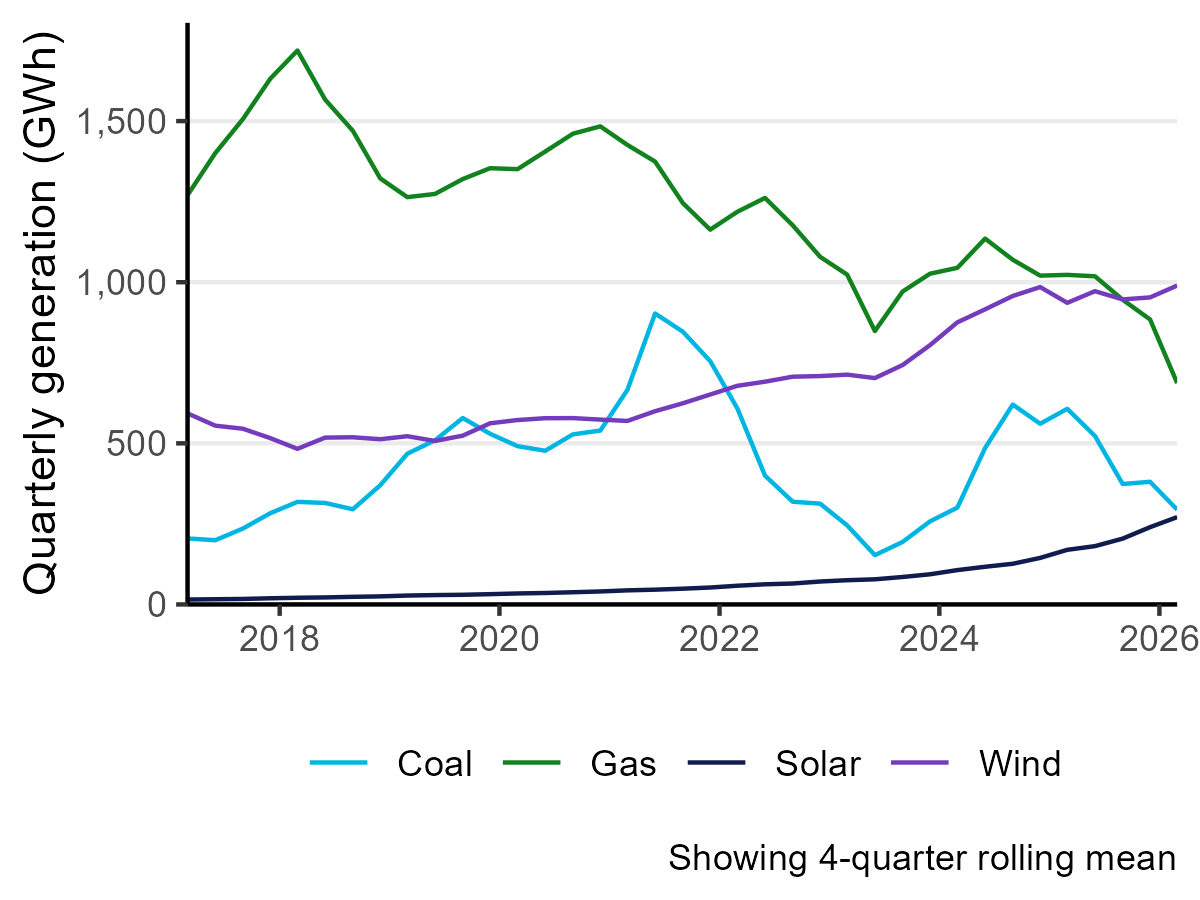
Text description of chart - Electricity from solar, wind, coal, and gas - March 2026
Electricity consumption by sector
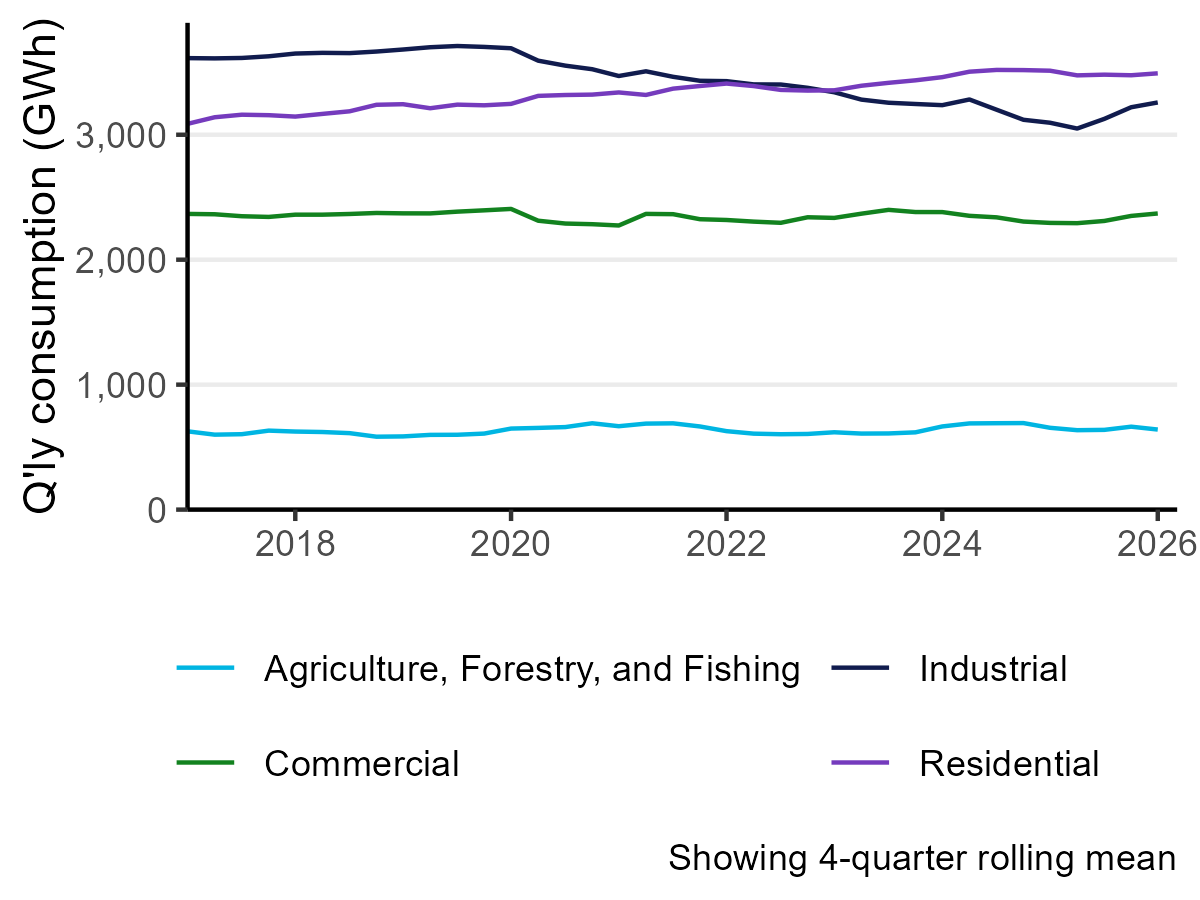
Text description of chart - Electricity consumption by sector - March 2026
Greenhouse gas emissions from electricity generation
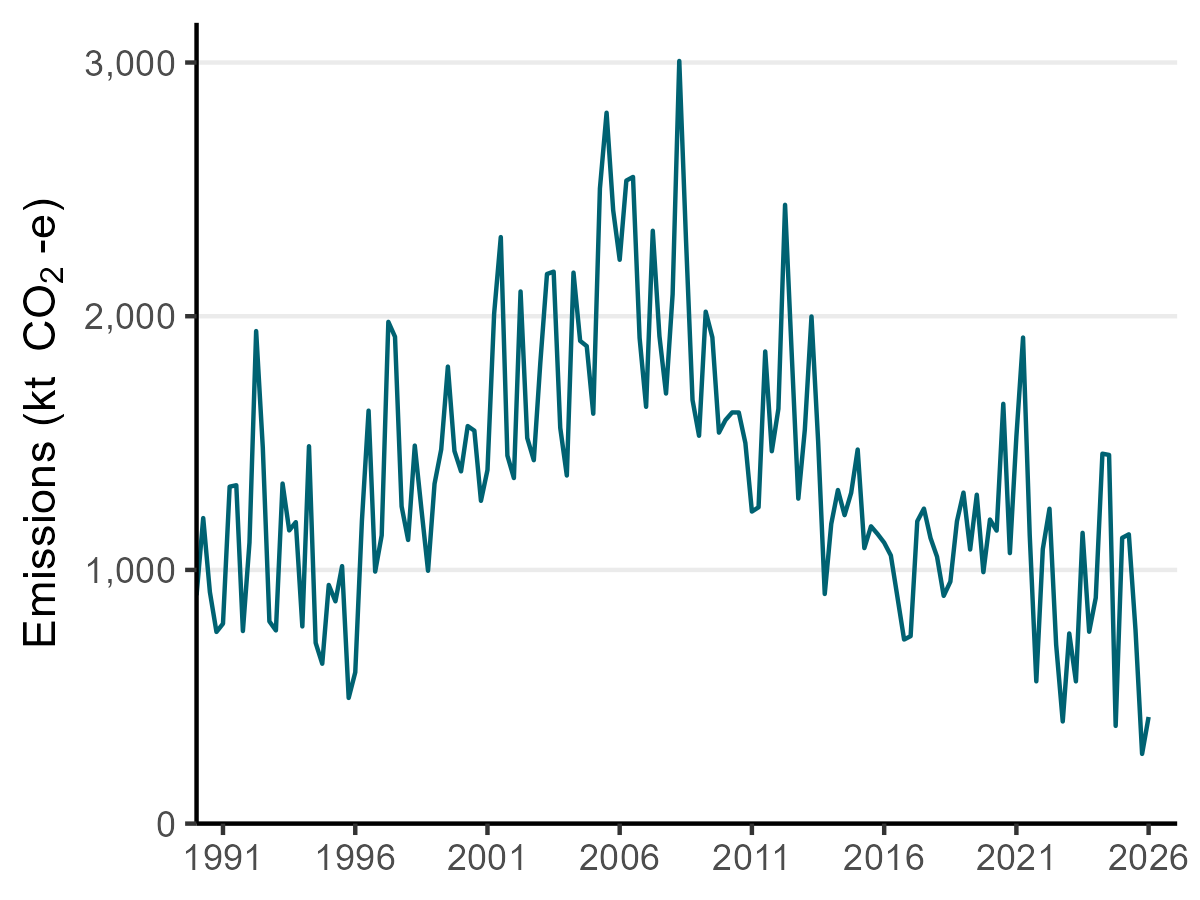
Text description of chart - Greenhouse gas emissions from electricity generation - March 2026
Natural gas production
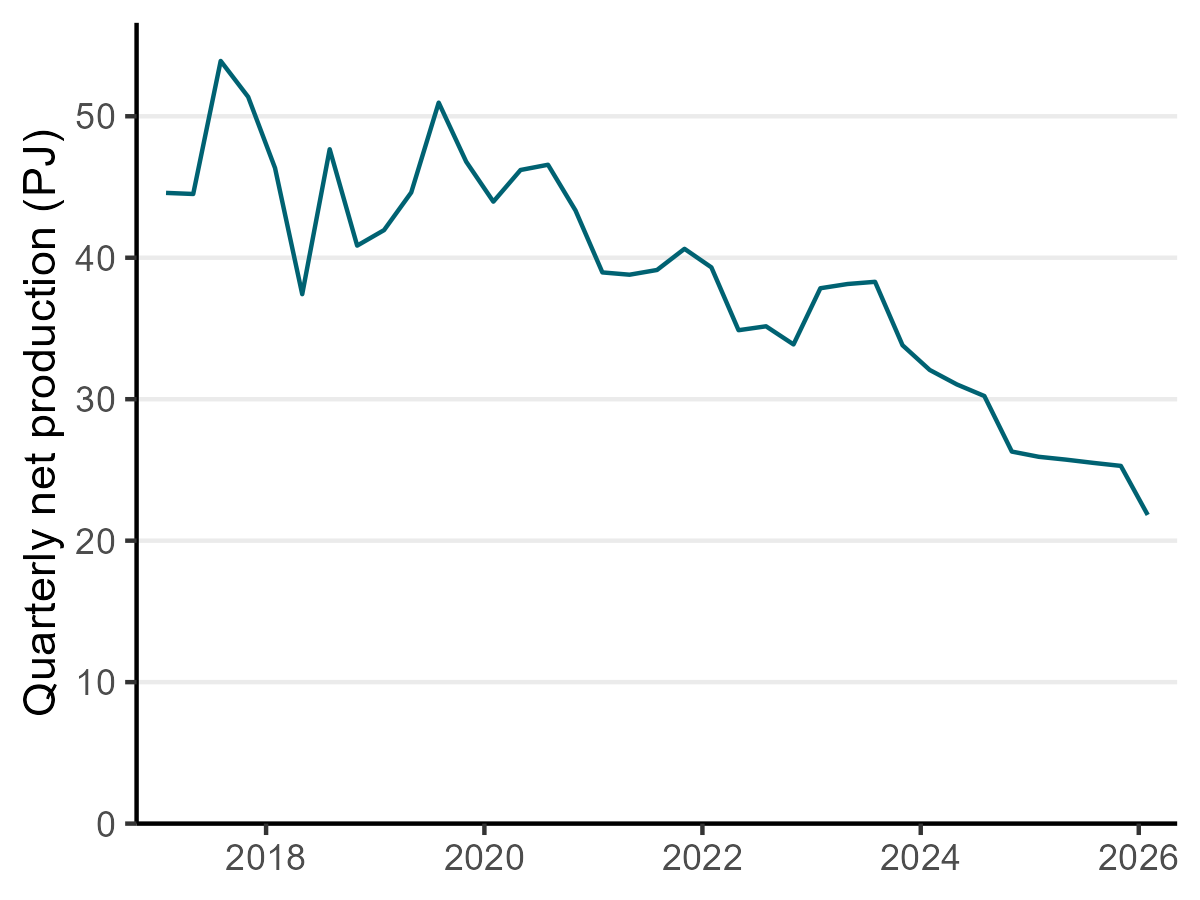
Text description of chart - Natural gas production - March 2026
Petrol and diesel prices
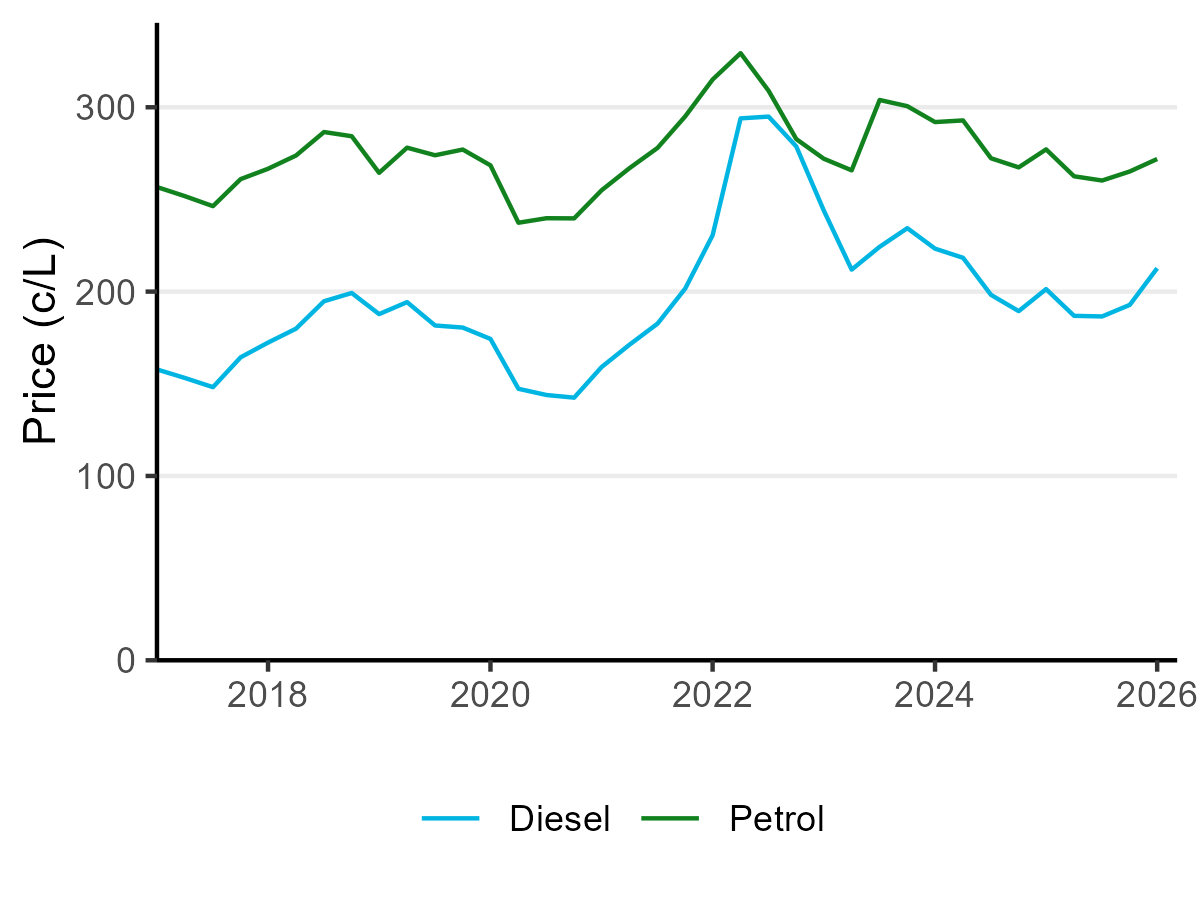
Text description of chart - Petrol and diesel prices - March 2026