Breadcrumbs
Home ›Offshore renewable energy
Offshore renewable energy has the potential to help grow New Zealand’s economy, powered by renewable energy.
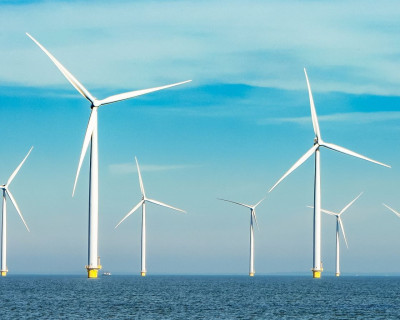
Offshore renewable energy is energy generated from a renewable source, such as wind, sunlight, waves or tidal currents, using developments located in, on, or under the sea.
A Bill has been introduced to support the development of offshore renewable energy projects, including offshore wind farms, and is currently progressing through Parliament.
The offshore renewable energy regime sets out the legislative settings, regulations, processes, and standards for how offshore renewable energy projects will be permitted and managed in New Zealand.
Our engagement with Māori has been an important part of developing the offshore renewable energy regime and will remain a priority. The Offshore Renewable Energy Bill as currently drafted sets out how developers are required to engage with Māori before submitting an application and how we must engage with them during our assessment of feasibility permit applications.
Public consultation has played a key role in developing the offshore renewable energy regime and it will continue to be a priority. The Offshore Renewable Energy Bill as currently drafted sets out how developers must identify anyone who holds existing rights or interests in the areas where the projects are proposed, and how developers must manage relevant interests through the feasibility permit.